Why the Room Your Child Learns In Matters Just as Much as the Lesson Itself
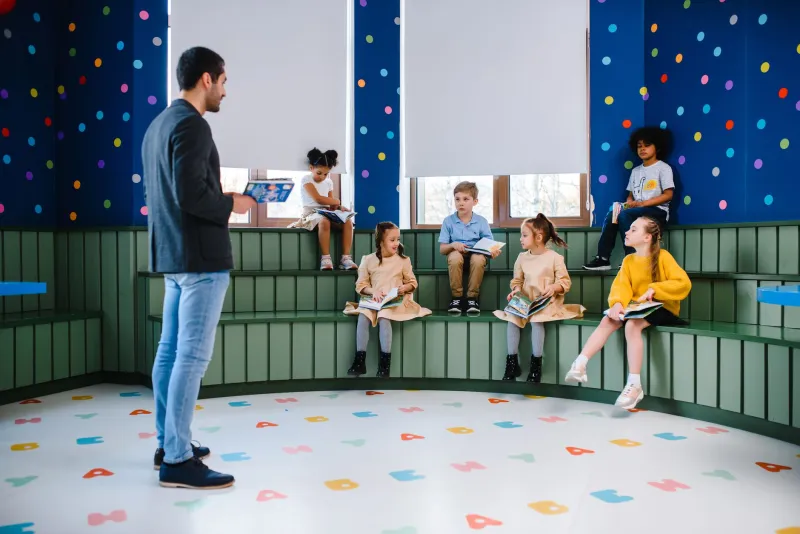
Walk into any after-school care program and you'll probably do what most parents do—scan for safety hazards, check if the staff seem warm and engaged, maybe peek at a posted schedule. What most of us don't do is stop and really look at the room itself. The ceiling height. The way the furniture is arranged. Whether there's a quiet corner tucked away from the main activity area. Whether the lighting feels harsh or inviting.
Turns out, all of that stuff matters—a lot more than we typically give it credit for.
In educational research, there's a concept sometimes called the "third teacher"—the idea that the physical environment functions as an active instructor alongside the adults in the room and a child's peers. The space itself teaches. It invites certain behaviors and discourages others. It can calm a child down or ramp them up. It can spark creativity or shut it down before it even starts.
For kids spending several hours each afternoon in out-of-school care, that environment adds up fast.
Your Child's Brain Doesn't Clock Out When School Does
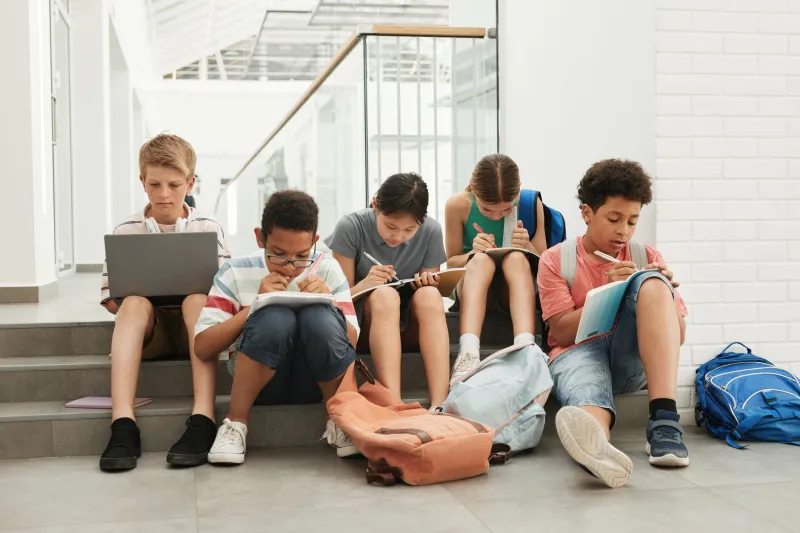
By the time most kids arrive at after-school care, they've already spent six or more hours managing expectations, sitting still, following directions, and holding themselves together in a highly structured environment. They're not blank slates walking through the door—they're tired, often overstimulated, and in serious need of a mental reset.
The physical space they walk into either helps that reset happen or makes it harder.
A noisy, chaotic room with no clear zones and limited places to decompress will likely push an already-overwhelmed kid further toward a meltdown. But a thoughtfully arranged space—one with a variety of activity areas, some quiet and some active—gives children the chance to self-select what they need in that moment. That kind of autonomy is genuinely restorative.
Researchers who study environmental psychology in early childhood settings have found that children in well-designed spaces show better self-regulation, more cooperative play, and higher levels of creative engagement. The room, in other words, is doing some of the behavioral work that we often assume falls entirely on staff.
The Zones That Actually Make a Difference
Not all spaces are created equal, and not every after-school program has the budget for a Pinterest-perfect setup. But there are a few specific environmental features that research consistently links to positive developmental outcomes—and they don't require a renovation.
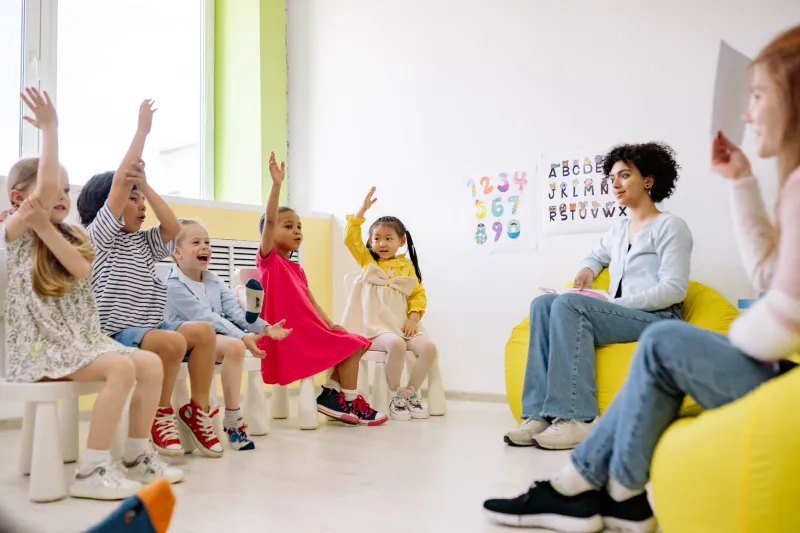
Defined activity zones. When different areas of a room serve clearly different purposes—a spot for reading, a table for art or homework, an open floor for movement—children navigate the space with more intention. They're less likely to drift aimlessly, and transitions between activities tend to go more smoothly. The physical boundaries do a lot of the behavioral management that would otherwise fall on adults.
Cozy, enclosed spaces. This one surprises a lot of parents. Why would a small, tucked-away nook be a developmental asset? Because children—especially introverted ones, or kids who are simply exhausted—need places where they can feel contained and safe without being isolated. A reading corner with low shelves on two sides, a beanbag, and softer lighting gives kids a place to recharge. It's not about hiding. It's about having a space that feels like it belongs to them.
Open areas for movement and collaboration. On the flip side, kids also need room to move, especially after hours of desk-based learning. Open floor space encourages physical play, dramatic play, and the kind of loose, unstructured social interaction where a huge amount of real-world learning actually happens. When kids have room to move, they tend to be more focused when it's time to sit back down.
Natural light and manageable noise levels. These might sound like minor details, but they have a measurable impact on mood and attention. Fluorescent lighting and high ambient noise are associated with increased irritability and reduced concentration in children. Spaces that use natural light where possible, and that are designed to absorb rather than amplify sound, create a calmer baseline that benefits every kid in the room.
What to Actually Look For When You Visit a Facility
If you're evaluating after-school care options—or just want to take a fresh look at your child's current program—here are some specific things worth noticing.
Does the space feel cluttered or calm? Overstimulating environments with too much visual noise (think: every wall covered floor-to-ceiling with bright, competing displays) can actually interfere with focus and emotional regulation. A well-organized space, even a colorful and playful one, has a sense of order that kids can read and respond to.
Are there places for different energy levels? A good after-school environment doesn't assume every child wants the same thing at the same time. Look for evidence that the space accommodates both active and quiet kids simultaneously.
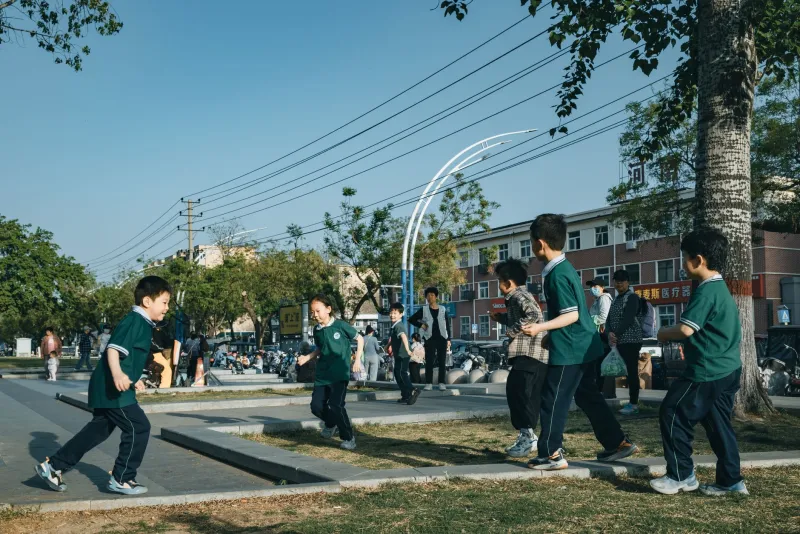
Does the outdoor space get used, and how? Access to outdoor play isn't just a bonus—it's a genuine developmental need. Fresh air, open space, and the sensory richness of being outside contribute to better mood regulation and physical health. A program that treats outdoor time as optional or weather-dependent is missing something important.
Do children seem to know where things are? Environments where materials are labeled, organized, and accessible give kids a sense of competence and independence. When a child can find what they need without asking an adult, they're practicing self-direction—a skill that pays dividends well beyond the after-school hours.
The Space Reflects the Philosophy
Here's something worth sitting with: the way a care facility designs its physical space tells you a lot about how the program thinks about children. A room with flexible furniture, accessible materials, and a variety of engagement options signals that the program values child-led exploration. A room where everything is locked up, fixed in place, or only accessible through an adult says something different.
At Salisbury Day Care & OSC, we think a lot about what our spaces communicate to the kids who spend their afternoons with us. The physical environment isn't an afterthought—it's part of how we support development, hour by hour, day by day. Because the room your child is in shapes what they think is possible inside it.
Next time you're walking through a care facility, slow down. Look at the room the way your child would. What does it invite? What does it make possible? The answers will tell you more than any brochure.